

Empowering Young Minds: The Impact of Raleigh Therapists on Childhood Autism
June 30, 2025 | by angela@angelaaugustinelcsw.com
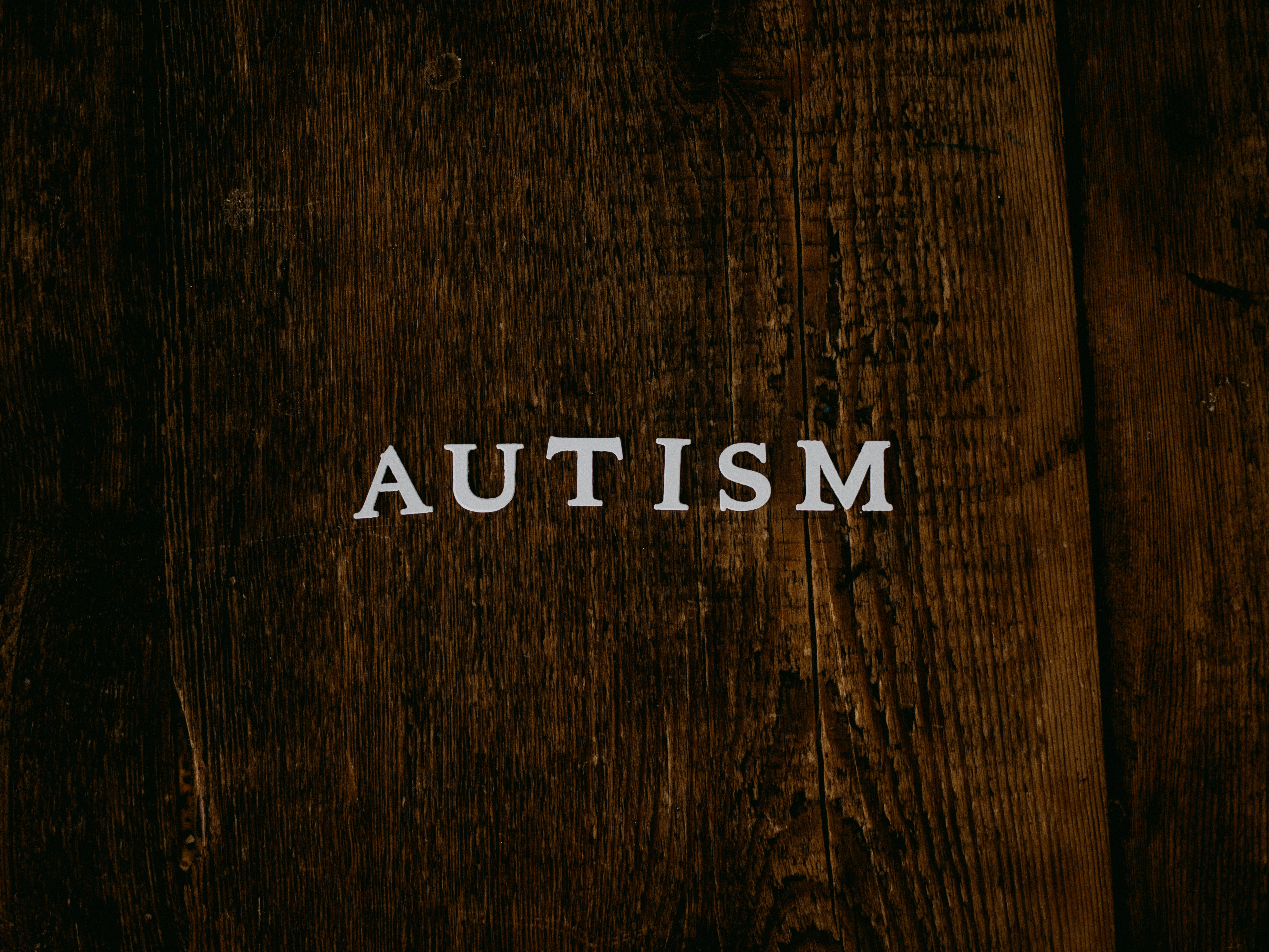 Photo by Annie Spratt on Unsplash
 Understanding the Role of Therapists in Childhood Autism Intervention
Therapists are integral to the effective intervention and support of children diagnosed with autism. In Raleigh, a variety of therapeutic approaches are utilized to cater to the individual needs of these children, enhancing both their behavioral and communicative skills. Each child presents a unique set of challenges and strengths; therefore, it is crucial for therapists to employ tailored strategies that resonate with the specific characteristics of their clients.
Behavioral therapy, for instance, has proven to be an effective treatment modality. This approach focuses on reinforcing desired behaviors while reducing those that are problematic. Through techniques such as Applied Behavior Analysis (ABA), therapists work meticulously to help children develop essential life skills and improve their interactions with peers and family members. By taking a structured approach, therapists can closely monitor progress and make necessary adjustments to ensure the effectiveness of the intervention.
Additionally, speech therapy plays a vital role in addressing communication deficits common among children with autism. Speech therapists in Raleigh employ a range of methods to enhance verbal and nonverbal communication skills. This can include picture exchange communication systems (PECS) and social skills groups, which empower children to express their thoughts and emotions effectively, facilitating better social interactions.
Occupational therapy is another critical component of autism intervention. Occupational therapists concentrate on enhancing daily living skills, promoting sensory integration, and improving fine motor skills. They assess each child’s developmental needs and design personalized intervention plans aimed at fostering independence and enhancing overall quality of life.
Moreover, therapists often engage collaboratively with families, ensuring that parents understand the therapeutic strategies being implemented. By fostering a supportive environment at home, families can reinforce skills learned in therapy, ultimately leading to better outcomes for their children. Through a comprehensive approach that involves assessment, personalized planning, and collaboration with families, therapists in Raleigh are significantly enhancing the lives of children with autism.
Finding the Right Therapist: What Parents Should Know
When selecting a therapist for a child with autism, parents face myriad choices that can significantly influence their child’s development and wellbeing. The first step is ensuring that the therapist holds the appropriate credentials, such as a license in counseling, psychology, or social work. Additionally, parents should verify that the professional has specialized training in autism spectrum disorders (ASD), equipping them with the knowledge to implement effective strategies tailored to meet the unique needs of their child.
Experience is another crucial factor. Parents should seek therapists who have a proven track record of working with children diagnosed with ASD. This experience often translates into a deeper understanding of behavioral challenges and the implementation of evidence-based therapy techniques. It is beneficial to look for credentials in specific methods commonly used for autism therapy, such as Applied Behavior Analysis (ABA), Cognitive Behavioral Therapy (CBT), or Social Skills Training.
Beyond qualifications and experience, the therapeutic style of the professional plays a vital role. Parents should assess whether the therapist’s approach aligns with their child’s personality and learning style. For instance, some children may respond better to a structured environment, while others thrive in a more flexible setting. Observing a therapist’s ability to engage effectively with the child through play, conversation, and other interactive methods can provide insights into their compatibility.
Communication is fundamental in a therapeutic relationship. Parents should look for signs of effective communication, such as the therapist’s active listening skills and their ability to explain concepts in clear, relatable terms. A therapist who frequently seeks input from both the child and the parents fosters a collaborative environment that enhances treatment outcomes.
Lastly, community support networks can be invaluable resources during this search. Parents are encouraged to connect with local autism organizations, support groups, and online forums to gather referrals and recommendations. These resources can offer insights into therapists who have made a positive impact on other families, helping ensure that the chosen professional is well-equipped to support the child’s journey toward growth and empowerment.
RELATED POSTS
View all

 Photo by Pawel Czerwinski on Unsplash
 Navigating Autism Support in Raleigh: Finding Specialized Therapists
June 30, 2025 | by angela@angelaaugustinelcsw.com
 Photo by Marcel Strauß on Unsplash
 Expert Insights on Childhood Autism Treatment in Raleigh
June 30, 2025 | by angela@angelaaugustinelcsw.com
 Photo by krakenimages on Unsplash
 Finding the Right Therapist in Raleigh for Childhood Autism
June 30, 2025 | by angela@angelaaugustinelcsw.com