

Navigating Childhood Autism: Insights from a Raleigh Specialist
June 30, 2025 | by angela@angelaaugustinelcsw.com
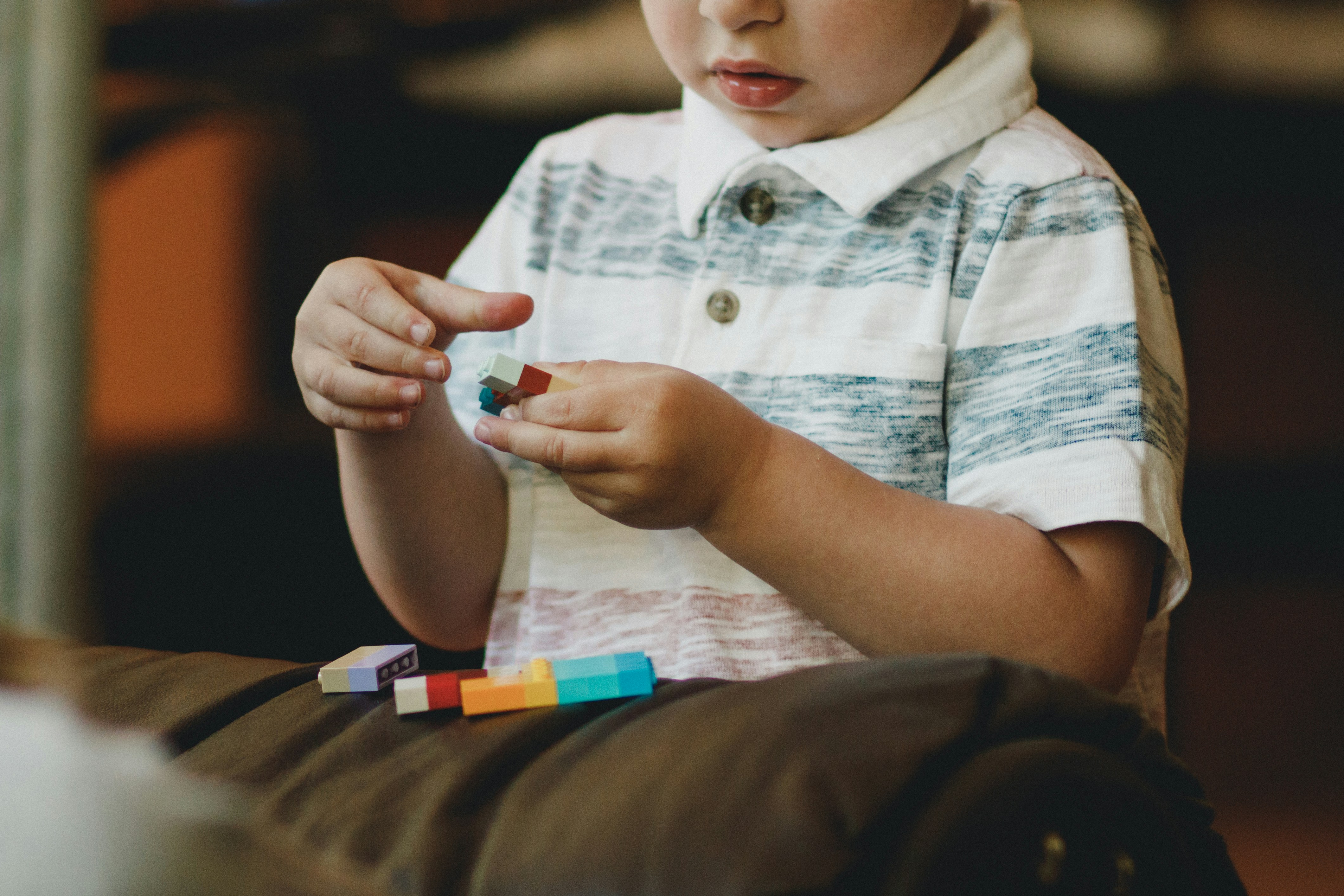 Photo by Caleb Woods on Unsplash
 Understanding Childhood Autism and Its Impact
Childhood autism, clinically referred to as Autism Spectrum Disorder (ASD), encompasses a wide array of developmental conditions characterized by challenges in social interaction, communication, and behavioral patterns. These symptoms can present variably among children, with some exhibiting significant delays in language skills, while others may develop advanced vocabulary but struggle with conversational nuances. Early identification of autism plays an integral role in the developmental trajectory of affected individuals, as it allows for timely intervention that can alleviate some of the challenges associated with the disorder.
The precise causes of autism remain a topic of ongoing research, but a combination of genetic and environmental factors is believed to contribute to its onset. Certain genetic mutations have been linked to increased risks of ASD, suggesting a hereditary component. Additionally, prenatal factors, such as maternal infections or exposure to toxins, may also play a role in the development of autism in children. Understanding these factors can aid parents and caregivers in recognizing early signs, promoting a proactive approach to managing the condition.
The impact of autism on a child’s life can extend beyond immediate symptoms. Social challenges often arise as children may find it difficult to connect with peers, leading to feelings of isolation. Emotional regulation is another area where children with autism may struggle, further complicating their interactions in various settings, including home, school, and social environments. Families are also affected as they navigate the complexities of supporting their child’s development and managing additional stressors associated with the diagnosis. Overall, creating a supportive environment emphasizes adaptability and understanding, which are crucial in fostering the child’s growth and emotional well-being.
The Role of a Raleigh Therapist in Supporting Families
Therapists specializing in childhood autism in Raleigh provide a crucial service to families navigating the complexities associated with autism spectrum disorders. These professionals employ a range of therapeutic approaches tailored to meet the unique needs of children, helping to enhance their communication skills, social interactions, and emotional regulation. One common method is behavioral therapy, which focuses on positive reinforcement and structured behavior modification techniques. This approach is designed to increase desirable behaviors while decreasing those that may interfere with a child’s daily functioning.
Another significant therapeutic method is play therapy. This approach utilizes play as a medium for children to express themselves and process their feelings, facilitating better communication and social engagement. By engaging children in a familiar context, therapists can help them develop crucial social skills and manage their emotions more effectively. These therapeutic interventions aim not only at the child but also at fostering a positive family dynamic, as therapists often work with parents to reinforce techniques that can be implemented at home.
Family counseling is yet another essential aspect of support provided by therapists in Raleigh. This approach involves working with family members to address challenges and improve overall familial relationships, which can be particularly strained when one member is navigating the impact of autism. By promoting understanding and communication within the family unit, therapists help create a nurturing environment conducive to the child’s growth and development.
Collaborative efforts form the foundation of successful autism therapy. Therapists actively engage with educators, social workers, and other professionals to construct a comprehensive support network that extends beyond therapy sessions. This collaboration ensures that the child receives consistent support and guidance across all areas of their life, thereby maximizing their chances of achieving meaningful outcomes as they navigate the complexities of childhood autism.
RELATED POSTS
View all

 Photo by Pawel Czerwinski on Unsplash
 Navigating Autism Support in Raleigh: Finding Specialized Therapists
June 30, 2025 | by angela@angelaaugustinelcsw.com
 Photo by Marcel Strauß on Unsplash
 Expert Insights on Childhood Autism Treatment in Raleigh
June 30, 2025 | by angela@angelaaugustinelcsw.com
 Photo by krakenimages on Unsplash
 Finding the Right Therapist in Raleigh for Childhood Autism
June 30, 2025 | by angela@angelaaugustinelcsw.com